Going Out on Top: Why the Smartest Creators Are Choosing to End Things First
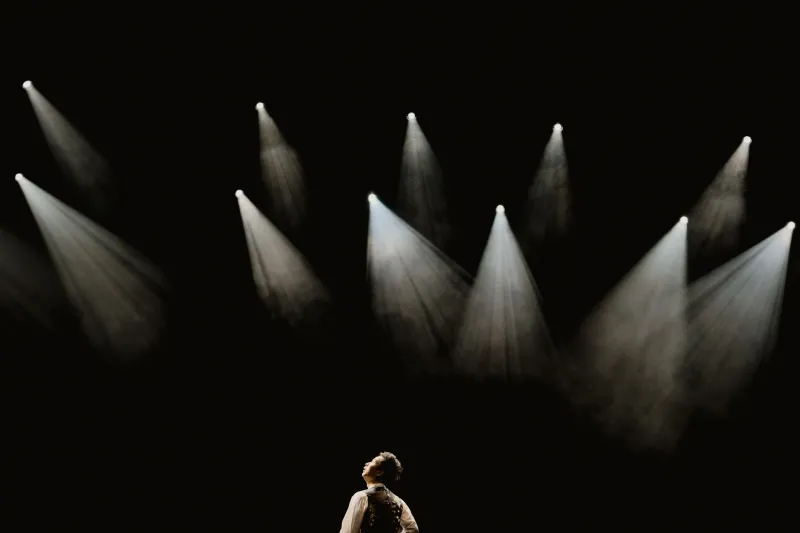
There's a certain kind of bravery we don't talk about enough in entertainment. It's not the bravery of launching something new, or grinding through bad reviews, or surviving a cancellation. It's the bravery of stopping — on purpose, at the height of everything, when the audience still loves you and the money is still good.
It sounds almost irrational. And yet, it's becoming one of the defining moves of this era of creative culture.
The Old Rules Don't Apply Anymore
For most of entertainment history, the playbook was simple: ride it until the wheels fall off. Keep the show going until ratings tank. Keep the album cycle spinning until nobody's buying. Keep the podcast dropping until the downloads dry up. Ending something early — especially something successful — used to read as failure dressed up in a press release.
But something shifted. Maybe it was the internet's brutal efficiency at exposing overstayed welcomes. Maybe it was audiences who grew up watching beloved franchises get dragged past their expiration dates, leaving behind tainted memories. Whatever the cause, a growing number of creators are treating the voluntary ending not as defeat, but as the ultimate artistic statement.
When Fleabag wrapped after two seasons, Phoebe Waller-Bridge was sitting on one of the most critically adored shows in recent memory. She could've kept going. The demand was there. She chose not to. When The Good Place creator Michael Schur announced a final season before NBC even asked for one, it felt almost radical. These weren't shows that got canceled. They were shows that got retired — and the distinction matters enormously.
The Podcast Graveyard That Isn't
It's not just television. The podcast world has its own version of this story playing out quietly. Some of the most respected shows in the medium — long-running, deeply loyal audience bases — have ended not because sponsors dried up or listeners left, but because the host decided the story was finished. Serial storytelling podcasts in particular have seen creators choose a clean conclusion over the indefinite continuation that ad revenue might otherwise incentivize.
That choice communicates something to the audience: this was always art, not just content. And audiences feel that difference, even when they can't fully articulate it.
Social media creators are doing it too, though in quieter, less publicized ways. Some of the most followed accounts on Instagram and TikTok have gone dark not from burnout or controversy, but from intention. The creator decided the chapter was closed. No dramatic farewell tour, no monetized goodbye video — just a clean stop.
Legacy as Currency
Here's what's really going on underneath all of this: we're in the middle of a cultural renegotiation around legacy. For a long time, legacy was measured in longevity. The longer something ran, the more it mattered. But streaming, algorithmic culture, and the sheer volume of content competing for attention have flipped that equation in interesting ways.
Now, a tight two-season arc can feel more meaningful than a ten-season sprawl. A 40-minute album that ends exactly when it should carries more weight than a bloated double record that overstays its welcome. Audiences have become remarkably good at recognizing when something has been preserved versus when it's been milked — and they reward the former with a specific kind of reverence.
There's also something deeply personal happening here. Creators who came up in the social media age watched what happened when people didn't stop. They saw the comments sections turn. They watched fanbases fracture. They witnessed the slow, public decline of things that once felt untouchable. Ending on your own terms starts to look a lot less like giving up and a lot more like self-preservation — creative and otherwise.
The Risk Is Still Real
Let's be honest about the other side of this, though. Walking away from something at its peak is still a gamble. Not every voluntary ending lands as a power move — some just read as abandonment. If the relationship between creator and audience isn't strong enough, or if the ending feels abrupt rather than intentional, it can sour a legacy just as easily as overstaying could.
The difference between a graceful exit and a confusing disappearance often comes down to communication and craft. Did the creator signal that an ending was coming? Did the final chapter actually feel final? Did the goodbye — whether explicit or implied — honor the audience's investment?
When it works, it really works. Think about how differently we talk about shows or albums or creative projects that ended cleanly versus ones that just... stopped making sense. The former becomes mythology. The latter becomes a cautionary tale.
What This Says About Us
Maybe the most interesting part of this trend isn't the creators making the choice — it's the audiences validating it. We've started to actively celebrate the controlled ending. We share the news of a beloved project wrapping up with something that looks almost like respect. They knew when to stop. That's become a compliment.
That shift says something real about where we are culturally. We've consumed so much content that's been stretched past its natural life — sequels nobody asked for, reunion specials that dimmed the original's glow, reboots that made you wish you'd left the memory alone — that we've developed a kind of aesthetic hunger for restraint.
We want things that know what they are. We want creators who trust us enough to say goodbye before we have to say it for them.
The Power in the Period
There's a writing concept that applies here: the period is one of the most powerful punctuation marks because it signals certainty. Not a comma, not a dash, not an ellipsis trailing off into ambiguity — a period. This is where it ends. This was the story.
The creators who are learning to put a period on their own work — at the height of their audience's love, before the inevitable entropy — are doing something that's genuinely hard and genuinely brave. They're choosing the integrity of the work over the comfort of the revenue. They're betting that how something ends shapes how it's remembered, maybe more than anything else.
And honestly? In an era where everything is designed to be infinite — infinite scroll, infinite seasons, infinite content — choosing to be finite might be the most countercultural thing a creator can do.
We're here for it.