Nine Seconds to Sellout: What It Costs to Be in the Room Anymore
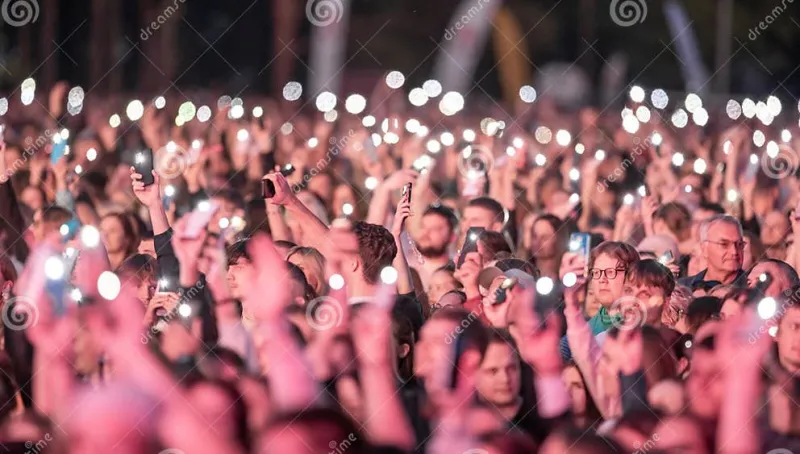
Photo: crowded concert arena crowd phone lights raised hands, via thumbs.dreamstime.com
Nine seconds. That's how long it took for a tour I wanted to see to sell out this year. Not nine minutes. Nine seconds. By the time my browser finished loading, strangers on resale sites were listing my seat for the price of a used car.
Somewhere along the way, attending live entertainment stopped being an activity and became an achievement. And I'm not sure the thing we're achieving is worth what we're losing.
The Game Is the Product Now
Let's be real about what the modern ticket-buying experience actually is: a competitive esport. You register for a presale days in advance. You receive a code with an assigned time slot, like you're waiting for a table at a restaurant that hates you. You're in a digital waiting room refreshing a page, competing against bots run by professional brokers, other fans, and an algorithm deciding your worth in real time.
Then dynamic pricing kicks in, and the price of your ticket moves like a stock — up, always up — based on demand the system itself created through artificial scarcity. The most devoted fans, the ones who'd have bought tickets on any day at any time, get outbid by scalpers with software.
When Attendance Becomes a Status Symbol
Here's the uncomfortable part: the scarcity is partly why we want in. A concert you can see anytime isn't special. A concert that cost $600 and required winning a digital lottery? That's a story. That's content. The flex isn't just "I was there" — it's "I got in when you couldn't."
Social media has poured gasoline on this. The videos from the pit, the surprise guests, the moment that trends by morning — being in the room is now a form of social currency, and everyone knows the exchange rate. We've turned attendance into a lottery where the prize is the right to prove you were there.
I get the appeal. I've felt it. But something in me bristles at the idea that the most loyal fans — the ones who streamed the album a thousand times, who've loved the artist since the club days — are now systematically priced out by people for whom the ticket is an investment, not an experience.
Can the Shared Moment Survive?
The whole point of live entertainment was always the room. Thousands of strangers singing the same bridge at the same time, temporarily dissolved into one organism. That's the magic no livestream replicates. But when half the crowd paid four times face value and the other half spent three hours in a virtual queue, is the room even the same room? When attendance is a flex, people perform the experience instead of having it. The phone lights come up, and everyone's there to capture, not to feel.
There are fixes, imperfect ones. Artists capping resale prices. Verified-fan systems, flawed as they are. More shows added until demand actually meets supply. Some acts have started touring smaller venues more often, betting that loyalty beats reach.
But honestly, the deeper fix is cultural, and it's on us. We have to stop rewarding the flex. Stop treating sold-out as a badge and start asking why nine seconds was long enough. The live experience doesn't die from dynamic pricing — it dies the moment being there matters more than being present.
I'll keep trying for tickets. But I refuse to treat getting in like winning, because the real win was supposed to be the show.