Nothing Is Original Anymore (And That Might Be the Most Creative Thing Ever)
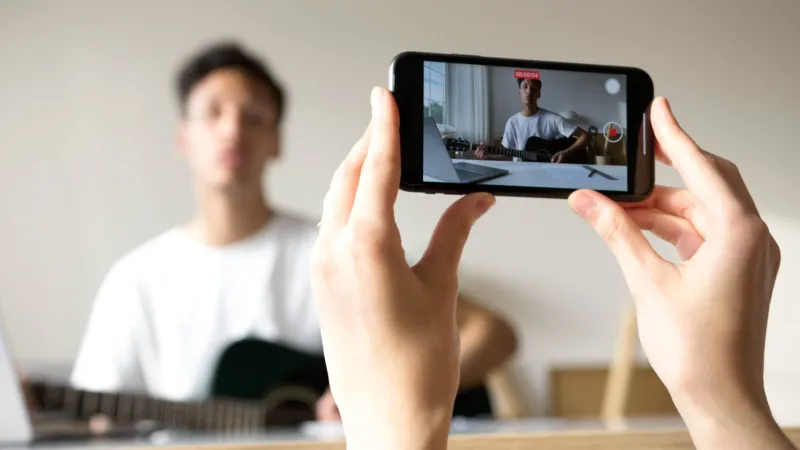
Somewhere right now, a twelve-year-old is taking a sound from a movie that came out before they were born, layering it over a trending audio clip from a show they've never watched in full, adding a visual format borrowed from a meme that peaked three months ago, and posting the whole thing as a completely original piece of content that their 40,000 followers will treat as fresh and new.
And honestly? It kind of is.
Welcome to the remix generation — a cohort of creators who grew up with the entire history of pop culture as their raw material, and who are genuinely baffled by the concept that any of it was ever meant to be hands-off.
The Sampler as Auteur
To understand where we are, it helps to remember where we've been. Hip-hop built an entire genre on sampling. Fan fiction communities have been remixing beloved stories for decades. Memes have always been collaborative, iterative, and largely uncredited. The internet didn't invent remix culture — it just gave it a distribution network and a comment section.
What's different with Gen Alpha is the scale and the fluency. These kids aren't remixing as an act of homage or rebellion. They're doing it because that's just... how content works in their world. The idea that a piece of audio, a visual format, or a narrative structure could be owned in a way that prevents riffing on it is, to many of them, genuinely confusing. Culture, in their framework, is collaborative by default.
TikTok is the platform that made this most visible, but it didn't create the instinct. It just gave the instinct a stage and an algorithm.
The Copyright Lawyers Are Not Having a Great Time
Let's be real about the tension here, because it's significant. Intellectual property law was built on a set of assumptions about creativity that the remix generation is quietly dismantling. The assumption that a piece of music belongs exclusively to its creator. That a character's voice, appearance, or catchphrase is protected. That borrowing without permission — even transformatively — requires licensing.
The entertainment industry has been playing whack-a-mole with this reality for years. Record labels issue takedowns on videos that use three seconds of a song. Studios send cease-and-desist letters to fan animators who've put thousands of hours into projects that functionally serve as free marketing. Platforms like YouTube have built elaborate automated systems to detect and monetize (or suppress) content that uses protected material.
And Gen Alpha just... keeps going. Not out of malice, but out of a genuine philosophical difference about what culture is for.
The legal framework hasn't caught up with the creative reality. That gap is where a lot of the friction lives.
What "Original" Even Means Now
Here's a question worth sitting with: when a teenager takes a trending audio clip, pairs it with a completely unexpected visual, adds a caption that recontextualizes both, and creates something that makes thousands of people feel something they didn't feel before — is that original?
A lot of traditional creative gatekeepers would say no. But ask anyone who's spent time in the TikTok creative community, and they'll point out that the curation, the juxtaposition, the timing — those are the creative acts. The raw materials were always out there. What's new is the specific combination and the voice behind it.
This is actually a very old argument in artistic circles. Picasso's alleged quote about good artists borrowing and great artists stealing has been floating around for a century. Jazz musicians built an entire tradition on improvising over shared standards. What's new isn't the remix impulse — it's that the tools to do it are now in every kid's pocket, and the audience is global.
The Creators Caught in the Middle
Not everyone is breezy about this. Independent creators — artists, musicians, writers, animators — are watching their work get absorbed into the remix ecosystem with decidedly mixed feelings.
There's a real difference between a major studio's IP getting sampled and a small artist's original song getting used in 10,000 TikToks without credit or compensation. The remix generation's "all culture is shared" ethos can inadvertently flatten that distinction. The same logic that a teenager applies to Disney's back catalog also gets applied to the independent musician with 800 followers who finally found their sound.
This is the part of the conversation that deserves more nuance than it usually gets. Remix culture isn't inherently hostile to creators — but it can be indifferent in ways that have real economic consequences for people who aren't backed by corporate infrastructure.
The healthiest version of this ecosystem involves some mutual recognition: yes, culture builds on itself, and credit and compensation matter, especially for smaller creators.
Building Together, Out Loud
What's genuinely exciting about the remix generation — beyond the copyright headaches — is how collaborative and transparent the creative process has become. When a new audio trend emerges on TikTok, you can literally watch it evolve in real time. The first video that uses it. The first unexpected twist. The format that becomes the template. The subversion of that template. The parody of the subversion. All of it is visible, documented, and participatory in a way that art history almost never was.
Creativity has always been a conversation. It's just that the conversation used to happen across decades and through gatekept channels. Now it happens in 48 hours, in public, with the whole community watching and contributing.
That's chaotic. It's also kind of electric.
What Comes Next
The remix generation isn't going to stop remixing. The question is whether the systems around them — legal, economic, cultural — can evolve fast enough to create a framework that honors both the collaborative instinct and the rights of individual creators.
Some platforms are experimenting with creator attribution tools, revenue-sharing models for sampled content, and clearer licensing frameworks for transformative use. None of it is perfect yet. All of it is necessary.
In the meantime, the twelve-year-old with 40,000 followers is already on to the next thing. And somehow, it's going to feel completely fresh.