Mourning Someone Who Never Knew You Existed: The Strange Grief of a Parasocial Fallout
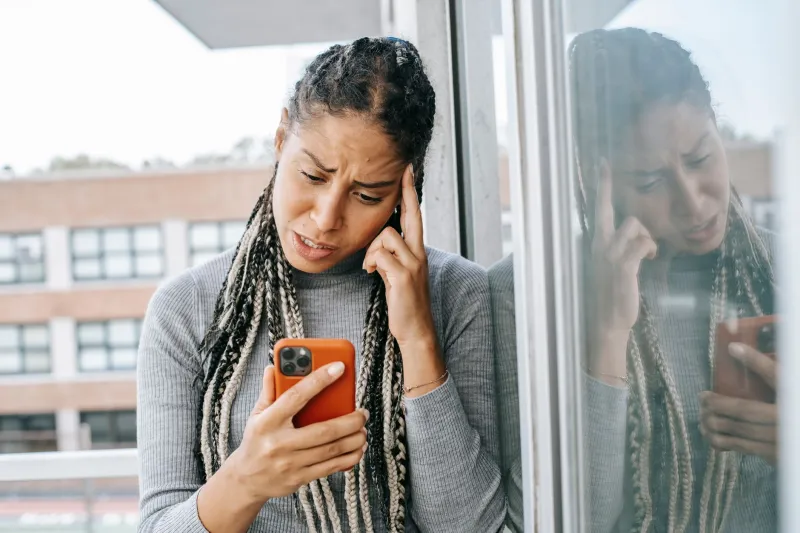
Somewhere between the third podcast episode you binged in a single afternoon and the moment you started recommending their work to your entire friend group, it happened. You got attached. Not in a creepy way — in the deeply human way that brains are wired to do when they receive consistent, intimate-feeling input from another person's voice, face, and worldview. And then, one Tuesday morning, a thread dropped. A resurfaced video. A screenshot. And suddenly the person you'd spent years rooting for became someone you weren't sure you recognized at all.
Welcome to the parasocial breakup — one of the most emotionally confusing experiences the internet age has quietly normalized.
Why It Feels So Personal (Even Though It Technically Isn't)
Psychologists have been studying parasocial relationships since the 1950s, but the concept exploded in relevance once YouTube, Twitch, and podcasting made "daily companion" content a whole genre. When someone talks directly into a camera or microphone for hours a week, your brain doesn't fully register the one-sidedness. It processes familiarity. It builds something that feels — neurologically, genuinely — like trust.
So when that trust gets broken, the emotional circuitry doesn't care that the celebrity in question has never once thought about you. The hurt is real. The sense of betrayal is real. Researchers at institutions like the University of Texas have noted that parasocial bonds activate many of the same neural pathways as actual social connection. Which means the grief when those bonds rupture? Also real.
That's the part that trips people up. You feel embarrassed admitting you're upset about someone you've never met. But dismissing the emotion doesn't make it go away — it just makes you feel worse about feeling bad in the first place.
The Guilt Spiral Nobody Talks About
Here's where it gets genuinely complicated: the art doesn't disappear. The songs are still on your playlist. The books are still on your shelf. The YouTube channel is still right there, and you still remember every inside joke from three years of content. What do you do with all of that?
This is the part of parasocial fallout that online communities have been wrestling with publicly and messily for years. The conversation around separating art from artist has become one of the most exhausting recurring debates on social media — and there's a reason it never fully resolves. Because there isn't one clean answer. There's a spectrum, and where you land on it depends on the nature of the offense, your own values, and honestly, how deep the catalog goes.
For some people, the answer is a hard stop. The Spotify plays get removed, the merch gets donated, the whole archive gets mentally quarantined. For others, it's a quiet renegotiation — still listening, but with a new awareness that recolors everything. And for a lot of people, it's an uncomfortable middle ground that shifts depending on the day and how much they slept.
None of these responses are wrong. But all of them carry emotional weight.
How Communities Process It Together
One of the more fascinating — and sometimes chaotic — things about modern fandom culture is that these moments of disillusionment don't happen in private anymore. They unfold on Reddit threads, in Discord servers, on Twitter timelines moving at a thousand posts per hour. The collective processing is simultaneous and loud.
There's something genuinely valuable about that. People who feel isolated in their grief find each other. Nuanced takes get shared alongside the hot ones. Communities that formed around shared love for a creator suddenly have to figure out what they are now that the creator is complicated. Some fandoms fracture completely — defenders on one side, the disillusioned on the other. Others find a strange solidarity in the mourning itself, bonding over the shared experience of having their parasocial bubble popped.
But there's a shadow side too. The speed of online pile-ons means that context sometimes gets lost in the sprint to judgment. Nuance is expensive when a story is moving fast. And sometimes communities — especially tight-knit ones — create social pressure around how you're supposed to feel, which ironically recreates the same kind of one-sided emotional dynamic that got everyone into this mess to begin with.
The Disillusionment That Actually Changes You
Here's the thing about going through a parasocial breakup that doesn't get said enough: it can be genuinely clarifying. Not in a silver-lining, toxic-positivity kind of way — but in the sense that losing faith in someone you admired often forces you to interrogate why you admired them so much in the first place.
Sometimes what we're grieving isn't really the person. It's the version of ourselves that found comfort in them. The phase of life they soundtracked. The values we thought they reflected back to us. Working through that honestly — even if it's uncomfortable — is actually a pretty meaningful form of self-knowledge.
A lot of people come out the other side of a parasocial fallout with a healthier relationship to parasocial bonds in general. More aware of how they form, more intentional about where they put their emotional investment, and a little more forgiving of themselves for being human enough to get attached in the first place.
So Where Do You Put It?
There's no clean ending here, because there rarely is in real life. Some creators come back from controversy. Some don't. Some apologies land; most feel insufficient. The communities built around them either evolve or dissolve. And you — the person who spent years feeling like you knew someone — get to decide what that relationship meant and what, if anything, it's worth carrying forward.
What's worth holding onto, maybe, is this: the fact that you cared enough to feel betrayed says something about you. Your values were real, even if the connection wasn't mutual. That's not nothing. That's actually kind of a lot.
And somewhere out there, a new voice is recording their first episode, writing their first chapter, posting their first video. The cycle continues. The question is just how you want to show up for it this time.