Your Weird Little Corner of the Internet Is Now Running the Show
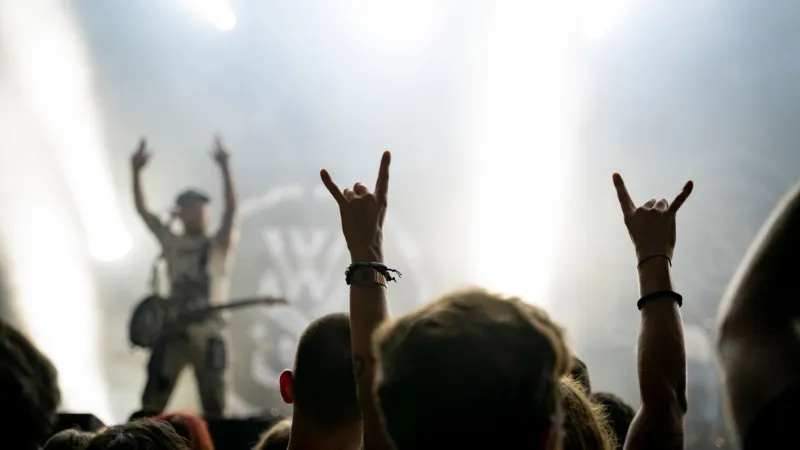
Not too long ago, if you wanted to be "into" something, you had to find it on TV, at the mall, or through whatever your cooler older sibling was listening to. Culture flowed from the top down — networks, record labels, and movie studios decided what was worth your attention. That era didn't just fade. It got absolutely dismantled.
Today, a nineteen-year-old in Tulsa who speedruns obscure PlayStation 2 games for a Discord community of 4,000 people can have more cultural influence within that space than a primetime television host. Welcome to the age of micro-cultures — and honestly, it's kind of the best thing to happen to American entertainment in decades.
The Fracture That Became a Feature
When social media first started splintering audiences, media analysts treated it like a crisis. Fragmentation, they called it, usually in a worried tone. But what looked like chaos from the outside was actually community-building happening at warp speed.
Platforms like Discord, Reddit, and TikTok didn't just give people places to talk about their interests. They gave niche audiences the infrastructure to organize, create content, and develop their own cultural languages — inside jokes, aesthetics, even their own celebrities. The K-pop fandom ecosystem alone is a masterclass in this. ARMY, the global fanbase for BTS, doesn't just stream music. They coordinate charity campaigns, trend topics, translate content across languages, and have genuinely moved the needle on Billboard charts through sheer collective will. That's not passive consumption. That's a culture operating with its own engine.
"People underestimate how sophisticated these communities are," says Maya Okafor, who moderates a 12,000-member Discord server centered around Southeast Asian indie animation. "We have editors, archivists, translators, event organizers. We basically run a small media company, except everyone's a volunteer because they actually love what they're doing."
TikTok's For You Page: The New Cultural Curator
If Discord is where micro-cultures live, TikTok is where they get discovered. The platform's algorithm has a genuinely uncanny ability to match users with their specific flavor of weird — and that's not an insult. It's the whole point.
Cottagecore, dark academia, BookTok, WitchTok, feral academia (yes, that's a thing), anime edits, tabletop RPG content, true crime tea — TikTok doesn't just host these communities, it amplifies them to audiences they never could have reached through traditional media. A fantasy novel that got middling mainstream attention can become a phenomenon because BookTok decided it was the one. "The Midnight Library" by Matt Haig, "Fourth Wing" by Rebecca Yarros, and countless others owe significant portions of their success to readers who made passionate, personal video reviews that felt nothing like a professional book critic's column.
That's the key shift: authenticity over polish. Micro-culture content creators aren't trying to appeal to everyone. They're talking directly to their people, and their people feel it.
Anime Conventions and the IRL Proof of Concept
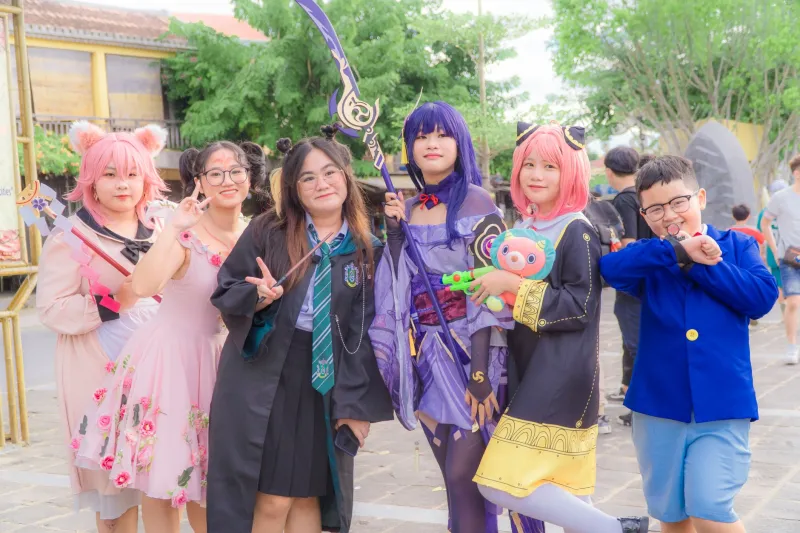
If you need physical evidence that niche has gone mainstream, spend a weekend at Anime Expo in Los Angeles or Otakon in Washington D.C. These events now draw tens of thousands of attendees, with cosplay budgets that rival Hollywood costume departments and industry panels where actual studios announce major projects.
Anime itself is maybe the clearest example of a micro-culture that refused to stay micro. For years it was the domain of a relatively small, often mocked fanbase. Now Netflix builds entire content strategies around it, Crunchyroll has millions of paying subscribers, and "Demon Slayer" theatrical releases regularly top domestic box office charts. The community didn't wait for mainstream validation. It grew so loud that mainstream media had no choice but to show up.
Jordan Reyes, who organizes regional anime and gaming conventions in the Midwest, has watched this transformation firsthand. "Ten years ago, I'd have to explain to a venue what anime even was. Now they're calling us because they want the business. The audience was always there — it just took the industry a while to catch up."
Indie Streamers and the Death of the Gatekeeper
Streaming platforms — and specifically live streaming on Twitch and YouTube — have created an entirely new entertainment economy where the barriers to entry are basically a decent mic and something interesting to say. Indie game streamers who focus on hyper-specific genres, from cozy farming sims to brutally difficult roguelikes, have built loyal audiences that rival cable TV viewership numbers for certain demographics.
What makes these communities sticky isn't just the content — it's the parasocial relationship and the sense of belonging. Subscribers feel like regulars at a neighborhood spot. They know the streamer's inside jokes, their pets' names, the running gags that have been building for three years. That kind of loyalty is something a network show could only dream about.
And the economics are following the eyeballs. Brand deals, Patreon memberships, merchandise drops — indie creators in niche spaces are building sustainable businesses not by chasing mass appeal but by going deeper with a smaller, more dedicated audience.
What This Means for American Culture at Large
Here's the thing about micro-cultures becoming the dominant force in entertainment: it doesn't mean monoculture is dead, exactly. It means there are now hundreds of parallel mainstream cultures running simultaneously, each with its own stars, its own canon, its own moments that feel enormous to the people inside them.
For American entertainment, this is both a challenge and an opportunity. The challenge is that you can no longer assume a shared cultural vocabulary. The opportunity is that there has never been more room for more kinds of stories, more kinds of creators, and more kinds of audiences to feel genuinely seen.
At Laal2, we think about this constantly — because community isn't a feature, it's the foundation. The most exciting thing happening in entertainment right now isn't a blockbuster or a chart-topper. It's the fact that someone, somewhere, built a community around something they loved, and that community became someone else's whole world.
Your weird little corner of the internet? It's not niche anymore. It's home.