Selling You Your Own Memories: How Entertainment Giants Turned Nostalgia Into a Business Model
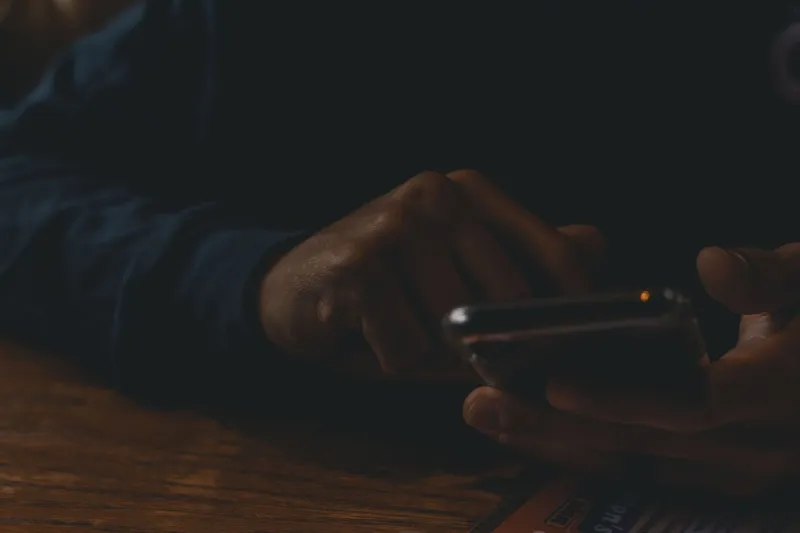
There's a moment — you've probably had it — where you're scrolling through a streaming homepage and you spot something. A logo. A font. A character's face. And before your brain even finishes loading the thought, your chest does something weird. A little flutter. A warmth. You click before you even mean to.
That's not an accident. That's engineering.
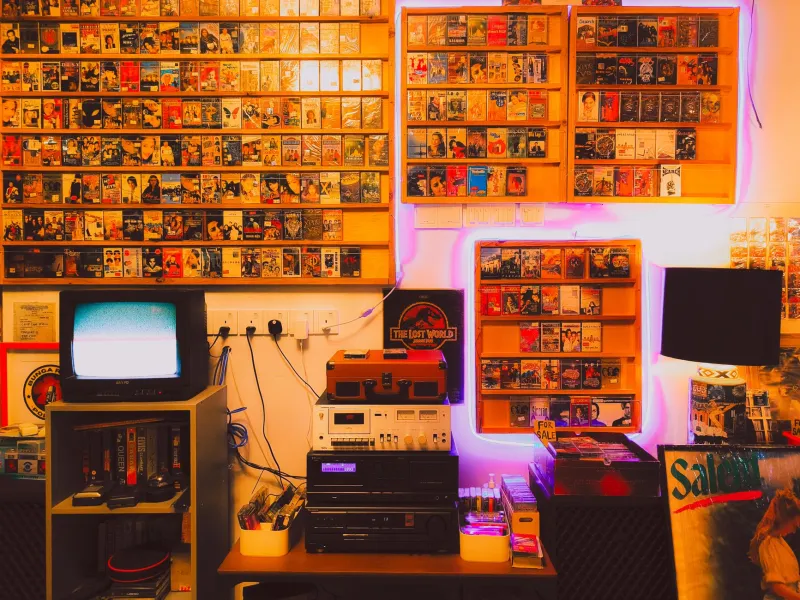
The entertainment industry has always recycled ideas, but what's happening right now feels different. It's not just that studios are making sequels or reboots. It's that entire cultural eras are being excavated, dusted off, and sold back to the people who lived through them — at premium prices, with premium nostalgia baked in. Call it what it is: the nostalgia industrial complex, and it is absolutely booming.
The Numbers Don't Lie
Look at what's dominated theaters and streaming queues over the past five years. Top Gun: Maverick shattered box office records by banking on a 36-year-old franchise. Disney has released live-action versions of The Lion King, Aladdin, The Little Mermaid, Pinocchio, and more, with several additional remakes already in production. Paramount revived Beavis and Butt-Head. MTV brought back Jersey Shore in multiple forms. Saved by the Bell got a reboot. So did Punky Brewster, Doogie Howser, iCarly, and Full House.
This isn't coincidence — it's strategy. Studios have access to decades of data about what audiences loved, and they're using that data to minimize financial risk. A recognizable IP (intellectual property) is a pre-sold product. You don't have to convince audiences to care about something they already love. You just have to remind them it exists.
For studios navigating a fragmented, competitive streaming landscape where subscriber numbers live and die by quarterly reports, that kind of certainty is catnip.
The Millennial Sweet Spot
The primary target? Millennials and Gen X — two generations now squarely in their prime earning years, with real disposable income and a documented appetite for emotional comfort. Cultural critics have noted for years that millennials in particular seem to have an unusually intense relationship with their childhood media, partly because so much of it arrived during a specific golden age of Saturday morning cartoons, VHS culture, and early internet fandoms.
But there's also a less flattering explanation: financial precarity and ongoing cultural stress have made looking backward feel safer than looking forward. Nostalgia is, at its core, a coping mechanism. And corporations have gotten very good at exploiting coping mechanisms.
"There's a reason they're not just remaking things — they're remaking your things," says one cultural critic who studies media and memory. "The targeting is incredibly precise. They know exactly what you watched at age eight based on your viewing history, your age bracket, your purchase behavior. The nostalgia isn't accidental. It's algorithmically identified."
Appreciation or Extraction?
Here's where it gets complicated, because not all of this is cynical. Some reboots genuinely honor their source material. Some revivals introduce beloved franchises to new generations. Cobra Kai, a YouTube-turned-Netflix continuation of The Karate Kid, earned real critical respect for doing something thoughtful with its legacy characters rather than just coasting on recognition. Ghostbusters: Afterlife made a lot of people cry in ways that felt earned.
And there's a real argument that nostalgia-driven content can be a bridge — connecting parents and kids over shared stories, or giving communities something to rally around when original IP feels overwhelming or inaccessible.
But even the good stuff comes with a cost. Every slot a revival occupies is a slot that isn't going to an original story. Every dollar spent mining the past is a dollar not invested in building something new. And original ideas — especially ones from creators who aren't already famous, who come from underrepresented backgrounds, who are trying to tell stories that haven't been told before — are the ones that get squeezed out when studios are playing it safe.
The Creative Drought Nobody Wants to Name
Talk to younger writers, directors, and showrunners and you'll hear a quiet frustration. Pitching original concepts in the current market is brutal. The notes often come back the same way: Do you have any IP attached to this? Is there a pre-existing audience? The implication is clear. Originality is a risk. Recognition is a product.
This matters to communities, not just industries. Stories are how cultures understand themselves. When the dominant stories being told are stories we've already heard — repackaged, reskinned, remarketed — something gets lost in the cultural conversation. We stop collectively imagining new futures and start collectively retreating into curated pasts.
That's not just a creative problem. It's a community problem.
What We Actually Owe Our Nostalgia
None of this means you should feel guilty for tearing up at a Toy Story callback or buying a ticket to the latest franchise revival. Emotional responses to art and entertainment are real, and they're valid, even when they're being deliberately triggered.
But it's worth asking: when you feel that nostalgic pull, who's really being served? Are you getting something meaningful, or are you being handed a mirror that only shows you what you already know?
The best entertainment — the kind that actually builds culture and community — does both. It honors what came before and makes space for what comes next. The nostalgia industrial complex, at its most cynical, only does one of those things.
And it charges you for the privilege of remembering.
Next time you get that flutter, lean into it — but maybe also ask what you're not seeing on the same homepage. The original idea sitting right next to the reboot. The new voice that didn't have a logo to sell itself with.
It might be worth the click.