We Came for the Movie, We Stayed for the Meltdown
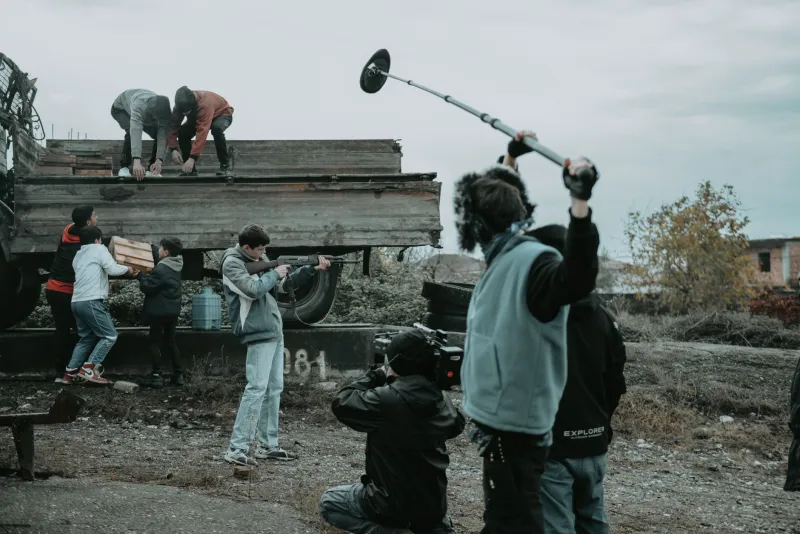
There's a specific kind of thrill that hits when you're watching a movie and you already know — like, know know — that the two leads couldn't stand each other during filming. Every shared scene becomes a puzzle. Every tight smile reads differently. The movie is still the movie, but now it's also a document of something messier, more human, and weirdly more interesting than whatever the screenplay intended.
This isn't a new phenomenon, exactly. Hollywood gossip has existed as long as Hollywood itself. But something has shifted in recent years. The behind-the-scenes chaos isn't just sidebar content anymore — it's become the main event. And we, the audience, have fully leaned in.
When the Set Becomes the Story
Think about some of the biggest entertainment moments of the last few years. Sure, there were actual movies and shows involved. But what really got people talking?
It was the stories around them.
The production that allegedly turned into a psychological pressure cooker. The director whose on-set behavior became the subject of open letters and anonymous sources. The franchise reboot where the cast's off-screen beef was so obvious that fans started analyzing body language at every single promotional appearance like they were forensic scientists.
These weren't just gossip footnotes. They became the lens through which entire projects got consumed. People watched certain films specifically because of the reported drama. The chaos was the marketing, whether anyone planned it that way or not.
And audiences didn't just passively receive that information — they organized around it. Fan forums turned into investigation hubs. TikTok became a place where someone with good editing skills and three leaked anecdotes could build a 20-part documentary series out of nothing but vibes and receipts.
Why We're Wired for This
Here's the thing: our brains are genuinely built for this kind of storytelling. Humans have always been drawn to process narratives — not just what happened, but how it happened, who was responsible, and what does it mean about the people involved.
Entertainment, at its core, is a controlled version of that. A story with a beginning, middle, and end. Characters with motivations. Stakes that feel real even when they're fictional.
Behind-the-scenes drama offers all of that — except it's unscripted, unpolished, and involves real people with real reputations on the line. That combination is basically narrative catnip. The stakes feel higher because they are higher. Nobody's playing a character. The awkward interview clip is the actual person being awkward. The reported argument on set wasn't in anyone's contract.
There's also something about access that makes it irresistible. For most of entertainment history, the machinery behind the curtain was carefully hidden. Studios controlled the narrative. Publicists managed every public appearance. The myth of the seamless, happy production was rigorously maintained.
Now? Someone always leaks. Someone always talks. Someone always posts a story that gets screenshotted before it disappears. The curtain has been yanked down so many times that audiences have started to expect — and even demand — a look at what's behind it.
The Double-Edged Nature of Behind-the-Scenes Culture
It would be easy to frame this whole thing as pure voyeurism. And sure, some of it absolutely is. But there's a more complicated dynamic at play.
When audiences dig into production chaos, they're often engaging with real questions about power, creative control, and how art actually gets made under commercial pressure. The director who reportedly clashed with the studio over the ending isn't just drama fodder — it's a window into the very real tension between artistic vision and profit motive. The cast feud that spilled into press interviews might actually be telling us something about how certain people are treated on set versus others.
In that sense, behind-the-scenes obsession can be a form of media literacy. A way of refusing to just accept the finished product at face value and instead asking: what did it cost to make this, and who paid that cost?
That said, it can also go sideways fast. The same appetite that surfaces genuine accountability can spiral into harassment campaigns, wild speculation presented as fact, and pile-ons that damage real people based on incomplete information. The line between curious audience and online mob is thinner than most of us are comfortable admitting.
The Final Product Isn't Final Anymore
Maybe the most interesting shift is what behind-the-scenes culture has done to the idea of a finished work.
Used to be, a movie came out, critics reviewed it, audiences saw it, and then it existed as a more or less stable cultural object. Now? A project continues to evolve in public perception long after release, shaped by every new piece of behind-the-scenes information that surfaces. A film you loved can start to feel different when you learn something troubling about how it was made. A project you dismissed might get reappraised when the full story of what the creative team fought through becomes known.
The entertainment and the story of the entertainment have become permanently entangled. You can't fully separate them anymore — and honestly, a lot of people aren't even trying to.
What This Means for the People Making Things
For creators, this new reality is genuinely complicated. The scrutiny is relentless. Every set has potential witnesses. Every production decision is potentially a future headline. The pressure to maintain a positive public narrative while also actually making something good is enormous.
Some have adapted by leaning into transparency — sharing the process, acknowledging the struggles, building an audience that feels invested in the journey rather than just the destination. Others have retreated, going quiet and hoping the work speaks for itself when it finally arrives.
Neither approach is wrong, exactly. But both are responses to the same underlying truth: in 2025, audiences aren't just watching what you made. They're watching you make it. And they have opinions about both.
The Story Behind the Story Isn't Going Anywhere
If anything, our appetite for behind-the-scenes narrative is only getting bigger. Streaming platforms have turned making-of documentaries into their own content category. Social media has made every production a live feed, whether the people involved want it to be or not. And audiences have become sophisticated enough to read between the lines of a carefully worded press release or a suspiciously choreographed reunion photo.
We came for the movie. We stayed for everything that happened while someone was trying to make it. And somewhere in that gap between intention and execution, between the polished final cut and the messy human reality of getting there, we found something that feels more honest than fiction ever could.
That's not going away. If anything, it's just getting started.