When Fandoms Pick Sides: The Messy Overlap Between Pop Culture and Politics
Somewhere between a Taylor Swift Instagram post and a Senate race, something interesting happened to American fandom.
It stopped being just about the music.
In the summer before the 2024 election, Taylor Swift posted a single message encouraging her followers to register to vote. Within 24 hours, Vote.org reported a massive spike in registrations — tens of thousands of people, many of them young, many of them first-timers. She didn't endorse a specific candidate. She didn't give a speech. She just pointed, and an army moved.
That moment crystallized something that's been building for years: fan communities have become one of the most unexpected civic spaces in American life. And nobody really planned it that way.
How Did We Get Here?
Fandoms have always had a political undercurrent. Star Trek fans in the '60s were radical in their own way — a multiracial cast, a Black woman officer on the bridge, a kiss that broke television's color barrier. But the conversation mostly stayed inside the community. You talked about the show with other fans. The politics were in the story, not about the story.
Social media collapsed that distinction. Now, the conversation about a piece of entertainment and the conversation about what it means politically happen in the same thread, at the same time, with the same people. The Marvel Cinematic Universe doesn't just release a movie — it releases a culture war battlefield. Was the Wakanda storyline a meaningful statement about Black identity and global power? Was the introduction of a gay character in a Disney+ show too little, too late, or too much? These aren't just fan discussions. They're political debates wearing superhero costumes.
The same thing has happened in virtually every major fandom. The Last of Us sparked conversations about queer representation in gaming. Barbie became a referendum on feminism. Even Wednesday on Netflix generated heated discourse about neurodiversity and the "girlboss" archetype. You can't watch anything anymore without the internet immediately explaining what it means for society.
The Case That This Is Actually Good
Let's steel-man the optimistic read here, because it's genuinely compelling.
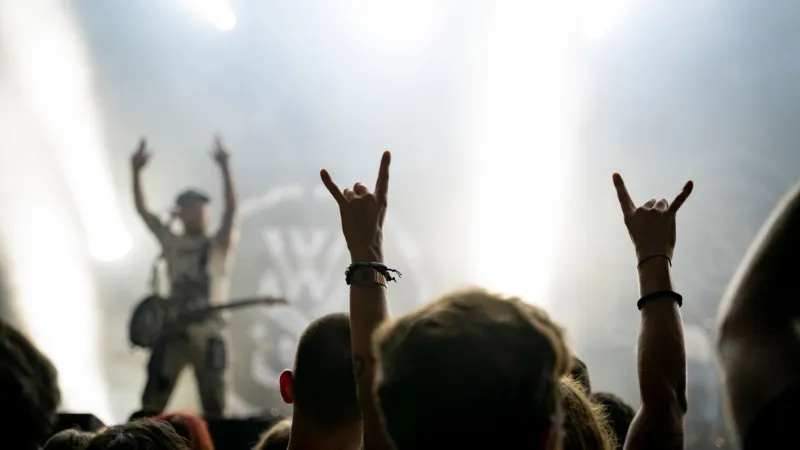
Civic engagement in America has a participation problem. Voter turnout, especially among younger generations, has historically been dismal. Traditional political organizing — door-knocking, town halls, party meetings — doesn't exactly light up the group chat. But fandom? Fandom has infrastructure. It has passionate, organized, highly communicative communities that already know how to mobilize around something they care about.
When those communities point their energy at voter registration, mutual aid fundraising, or awareness campaigns, the results can be remarkable. The BTS fandom, ARMY, organized to donate to Black Lives Matter causes in 2020 and raised over a million dollars in a single day. Harry Styles fans have built some of the most active mental health advocacy spaces online. These aren't fringe activities — they're genuine examples of community organizing that happened to start with a pop star.
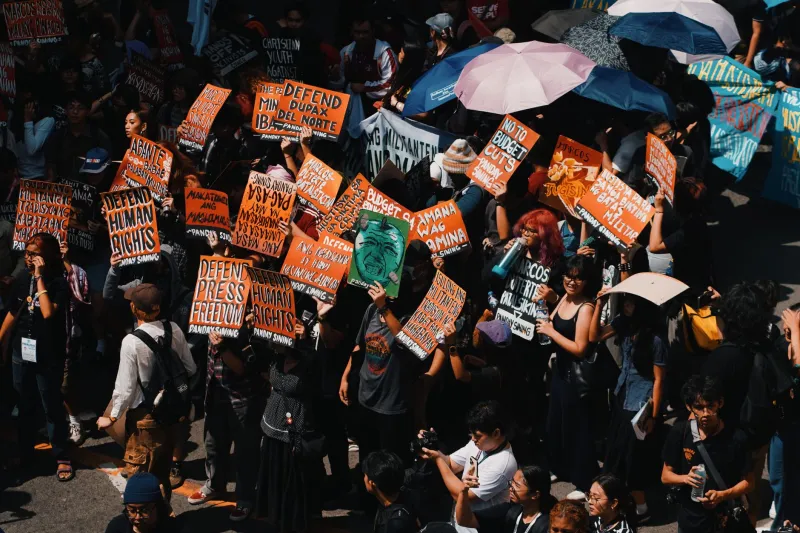
For a generation that grew up online, this might just be what civic participation looks like now. The entry point is entertainment. The destination is engagement. And if the outcome is more people involved in their communities and their democracy, it's hard to argue with the results.
The Case That This Gets Complicated Fast
Okay, but here's where it gets messy.
Fandoms are also, let's be real, not always the most nuanced political spaces. They're built on intense loyalty, which is great for mobilizing but not always great for critical thinking. The same tribal instincts that make a fandom powerful — us versus them, ride or die for the thing we love — can make political discourse inside those spaces pretty unforgiving.
When a celebrity's political statement becomes the official fandom position, dissent can get ugly fast. Fans who disagree with Taylor Swift's endorsements have been harassed. Marvel fans who critique the MCU's approach to representation sometimes find themselves in the crossfire between people who think it's doing too much and people who think it's doing too little — with neither side particularly interested in a nuanced middle ground.
There's also a real question about what happens to the entertainment itself when everything becomes a political statement. Part of the joy of fandom is escapism — the ability to lose yourself in a story, a song, a game. When every piece of content gets immediately dissected for its political implications, that breathing room shrinks. Some fans are starting to express genuine exhaustion at the expectation that their hobby come with a take.
And then there's the creator side of this equation. Artists and entertainers didn't necessarily sign up to be political figures. Some genuinely want to be. Others feel pressured by fans, labels, or public opinion to perform a political identity that may or may not reflect who they actually are. The expectation that every celebrity must have a statement about every major news event is its own kind of strange.
Where Does the Line Go?
Honestly? There probably isn't a clean one, and maybe that's okay.
Culture and politics have always been tangled up together. Art has always reflected — and sometimes shaped — the world it exists in. What's changed is the speed and the volume. Everything happens faster now, louder now, with more people weighing in and more platforms amplifying the noise.
The communities that seem to navigate this best are the ones that hold both things loosely. They're passionate about the entertainment without demanding that it carry all the weight of their political identity. They engage in civic conversations without turning every dissenting opinion into a loyalty test. They use fandom as a starting point for connection, not an endpoint for groupthink.
That's the version of fandom-as-community that's worth building — and worth protecting. Because when it works, it's something genuinely new: a civic space that people actually want to be in, built around something they already love.
That's not a bad place to start.