No Shame, No Apology: The Beautiful Collapse of Pretending You Have Good Taste
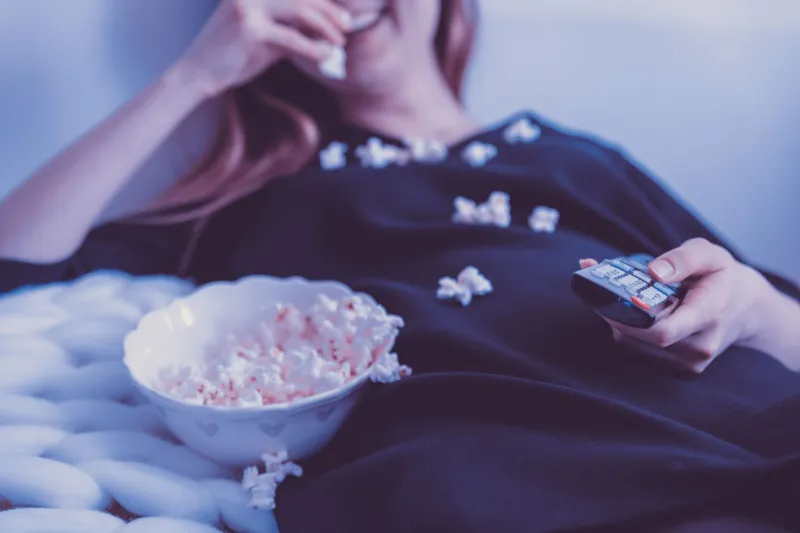
There was a time — not that long ago — when admitting you spent your Friday night watching The Bachelor instead of some acclaimed foreign film felt like a confession. You'd lower your voice. Add a disclaimer. "I know it's trashy, but..." As if the three dots at the end could somehow protect your intellectual reputation.
That era is collapsing fast, and honestly, good riddance.
Something genuinely interesting is happening in American entertainment culture right now. People are dropping the performance. They're watching the fifth installment of a horror franchise that critics absolutely roasted, posting about it proudly, and finding entire communities of people who are right there with them. The guilty pleasure is shedding its guilt — and what's left behind is actually kind of fascinating.
The Taste Police Clocked Out
For decades, cultural gatekeeping was a real social currency. What you consumed said something about who you were — or at least, who you wanted people to think you were. Recommending the right indie album or dropping a reference to an obscure documentary could signal intelligence, sophistication, belonging. And admitting you loved something deemed lowbrow? That came with a social tax.
But the internet — specifically TikTok and Reddit — quietly dismantled a lot of that infrastructure.
On TikTok, a 22-year-old can post a sincere, unironic love letter to a Lifetime movie and rack up 400,000 likes overnight. On Reddit, entire subreddits are built around celebrating the so-called "worst" films ever made, complete with detailed, affectionate analyses that rival anything you'd find in a film studies class. The format rewards enthusiasm over elitism. Authentic excitement travels further than curated cool.
And once you see a few thousand people in the comments saying "wait, I thought I was the only one" — something breaks open.
What "Bad" Actually Means
Here's the thing worth sitting with: a lot of the entertainment we've labeled "bad" isn't actually bad. It's just not what critics decided to value.
Romance novels, for example, are one of the bestselling fiction categories in the United States year after year. They outsell literary fiction by a significant margin. And yet for decades, readers — especially women — felt compelled to hide their paperbacks or use e-readers specifically so no one on the subway could judge their cover. The books weren't failing their readers. The culture was failing the readers.
Same goes for reality TV. Shows like Love Island, 90 Day Fiancé, or Vanderpump Rules require genuine emotional intelligence to follow. You're tracking interpersonal dynamics, reading subtext, forming theories about motivation and behavior. That's not a passive, mindless activity. That's engagement. The fact that it comes wrapped in drama and confessional camera moments doesn't make it intellectually empty — it just makes it fun.
The "bad" label was always partly about class, partly about gender, and partly about who got to set the standards. Pulling that thread reveals a lot.
Community Built Around the Uncool
One of the most underreported social stories of the last five years is how entertainment that was once considered embarrassing has become a genuine community glue.
Think about how people bond over a shared love of a campy horror sequel. Or the very specific joy of finding someone else who has also seen every single episode of a reality dating show that got cancelled after one season. There's an intimacy in those connections that prestige TV fandoms sometimes can't replicate — because when something is universally beloved and critically acclaimed, your love for it isn't particularly revealing. But when you love something weird or niche or critically dismissed? That says something real about you. And finding someone who shares that says something real about them.
This is part of why spaces like Reddit threads, Discord servers, and TikTok comment sections have become such fertile ground for actual friendship. People aren't just bonding over the content — they're bonding over the permission to enjoy it without apology. That shared release is its own kind of connection.
The TikTok Effect on Taste
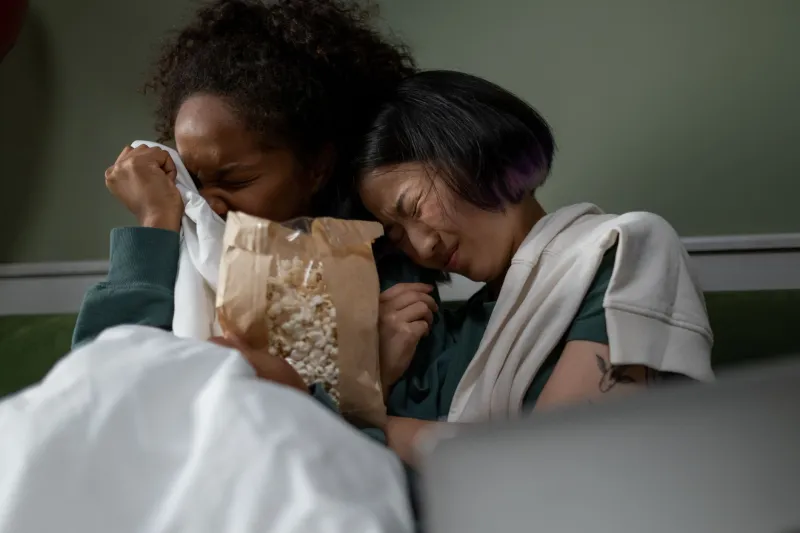
TikTok specifically deserves credit (or blame, depending on your perspective) for accelerating this cultural shift. The platform's algorithm doesn't care about prestige. It cares about watch time and engagement. A video of someone crying happy tears over a romance novel scene will perform just as well — often better — than a carefully produced review of an Oscar contender.
What that's done is create a new kind of tastemaker: one who leads with genuine feeling rather than credentialed authority. When someone goes viral because of their raw, unfiltered reaction to a "bad" movie they loved, they're not performing sophistication. They're performing authenticity. And in the current attention economy, authenticity is the premium product.
This has also created a feedback loop where creators and studios are paying closer attention. The resurgence of interest in early 2000s rom-coms, the demand for more campy horror, the explosion of romantasy as a publishing category — these aren't accidents. They're direct responses to audiences finally saying out loud what they actually wanted.
What Your "Bad" Taste Is Really Saying
When you dig into why people love the entertainment they've been told to be ashamed of, a few themes keep emerging.
Escape and comfort are huge. A low-stakes reality show or a predictable romance novel offers something genuinely valuable: a space where you know things will probably work out, where the emotional investment has a reasonable ceiling, where you can relax. In a world that constantly demands critical engagement and emotional labor, entertainment that lets you just feel things simply is a gift.
There's also the pleasure of craft-within-constraints. A horror sequel working with a tiny budget and a script that critics called derivative still has to solve real creative problems. Fans of these films often develop a deep appreciation for what the filmmakers managed to pull off despite the odds. That's a legitimate form of aesthetic engagement — it's just not the one film school taught us to prioritize.
And sometimes? Something is just fun. Pure, uncomplicated fun. And we've been weirdly suspicious of that for a long time.
The Permission Slip We Didn't Know We Needed
What's happening right now isn't a lowering of standards. It's a widening of them. People aren't abandoning thoughtful, complex entertainment — they're just refusing to let it be the only entertainment they're allowed to celebrate publicly.
The culture is making space for the full range of what people actually enjoy, rather than the curated highlight reel of what they think they're supposed to enjoy. And the communities forming around that honesty — the Reddit threads, the TikTok comment sections, the group chats — are some of the most genuinely warm corners of the internet right now.
You don't need a permission slip to love what you love. But if you've been waiting for one anyway — consider this it. Watch the campy sequel. Finish the romance novel. Post about the reality show without the disclaimer.
The taste police clocked out. The rest of us are having a much better time.