So You Want to Be Friends? Show Me Your Watch History First
There's a moment most of us have experienced but rarely name out loud. You're at a party, a work happy hour, or maybe just standing in a line that's taking forever — and somewhere between small talk about the weather and vague complaints about traffic, someone mentions a show. Your show. The one you've been quietly obsessed with for months. And suddenly, the whole vibe shifts.
You're not strangers anymore. You're something.
That feeling isn't accidental. Across the US, people are increasingly using entertainment — what they watch, what they listen to, what fandoms they belong to — as an unofficial screening process for new relationships. It's like a friendship audition, except nobody posted the casting call.
The New Social Resume
Think about the last time you genuinely clicked with someone new. Odds are, it wasn't because you both agreed that pizza is great or that traffic is bad. It was probably because you discovered you both stayed up until 2 a.m. finishing the same season of something, or that you were both in the pit at the same concert, or that you've had the same obscure opinion about a movie that most people slept on.
Shared entertainment has always been a social glue, but what's changed is how deliberately we're using it. People are no longer waiting for these overlaps to happen organically. They're engineering the test.
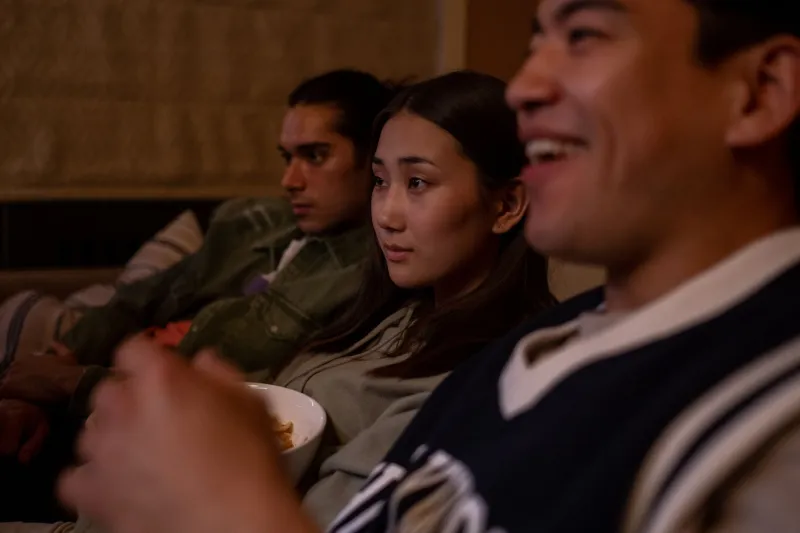
A growing number of people — especially in the 20s-to-40s demographic — will suggest a joint watch party or a concert outing specifically to see how someone behaves in those environments before fully committing to the friendship. Are they on their phone the whole time? Do they talk during the quiet parts? Do they get emotional at the right moments? Do they laugh at the same beats?
These aren't trivial observations. They're data points.
Why Entertainment Reveals What Small Talk Can't
Here's the thing about conventional getting-to-know-you conversations: they're filtered. People present their best, most socially acceptable selves when asked direct questions about their lives, their jobs, their families. But put someone in front of a screen for three hours and the mask slips a little.
How someone reacts to a villain tells you something. Whether they need to check their phone every 20 minutes tells you something else. Whether they're comfortable sitting in silence, or whether they need to narrate every scene out loud — all of that is information you genuinely cannot extract from a brunch conversation.
Fandom alignment goes even deeper. If you're a hardcore Taylor Swift fan and the person you're considering befriending thinks she's overrated, that's not necessarily a dealbreaker — but it does tell you something about how they engage with cultural moments, how they talk about women in entertainment, and whether they're the kind of person who dismisses things they don't fully understand. Same goes for sports fandoms, true crime obsessions, or whether someone thinks a particular beloved sitcom "aged badly" or is "still perfect, actually."
These aren't shallow preferences. They're windows.
The Binge-Watch Hang as Friendship Infrastructure
The pandemic accelerated something that was already quietly happening: the watch party — whether in-person or over a screenshare — became a legitimate social institution. For a lot of people, it replaced the bar, the dinner party, the casual hangout. And even as the world opened back up, many people kept it.
What's interesting is how these sessions function differently from other hangouts. There's built-in structure. You don't have to perform conversation for three straight hours. There are natural pauses — the end of an episode, a bathroom break, a snack refill — where real talk can happen. It's lower pressure than a dinner where you're expected to carry the whole interaction.
And yet, by the end of it, you know more about that person than you might after three dinners. You've shared a story together, even if it wasn't your own. You've laughed at the same moments, maybe argued about a plot twist, maybe sat in stunned silence together. That's bonding. That's the infrastructure of closeness.
For people who find traditional socializing exhausting — and there are a lot of those people, especially post-pandemic — this is genuinely revolutionary. You can build a friendship around watching things together without ever having to perform extroversion on demand.
When the Test Fails
Of course, not every watch session ends in a new best friendship. Sometimes you invite someone over to watch the show you love most in the world and they spend the whole time on their phone, or they keep predicting the plot incorrectly and loudly, or — maybe worst of all — they just don't get it. They're not moved by the thing that moves you.
And that's okay, actually. That's the point of the test.
The friendship audition isn't about gatekeeping. It's about efficiency. Adult friendships are genuinely hard to build and maintain. You have limited time, limited energy, and a finite amount of emotional bandwidth. Discovering early that someone's entire personality is that they hate the things you love — or that they watch television completely differently than you do — saves everyone time.
Some people feel guilty about this, like it's somehow shallow to let entertainment preferences influence who you let into your life. But is it really? We already filter by values, by humor, by communication style. Entertainment is just another expression of all of those things.
"Do You Watch That Too?" — The Most Loaded Question in Modern Friendship
There's a reason that question — those five little words — carries so much weight when it lands right. It's not really about the show. It's about the possibility of recognition. Of being known. Of finding someone who experienced the same thing you did and felt something similar.
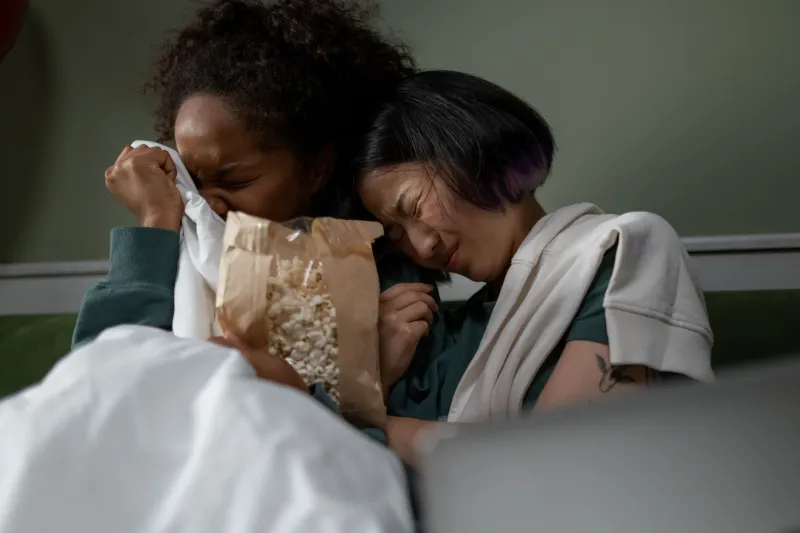
In a country where people are increasingly reporting that they feel isolated and disconnected, entertainment has become one of the few shared languages left. Not everyone agrees on politics, religion, or even basic facts anymore. But sometimes — not always, but sometimes — you can still find a stranger and discover you both cried at the same episode of something. And for a minute, that's enough.
The friendship audition isn't a cynical trend. It's actually kind of hopeful. It's people trying, in whatever way they can figure out, to find their people. To build something real in a world that makes that harder every year.
So yeah. Before we commit, let's watch something together. I'll bring the snacks. You bring your honest reactions. We'll see where it goes.